720-542-3217


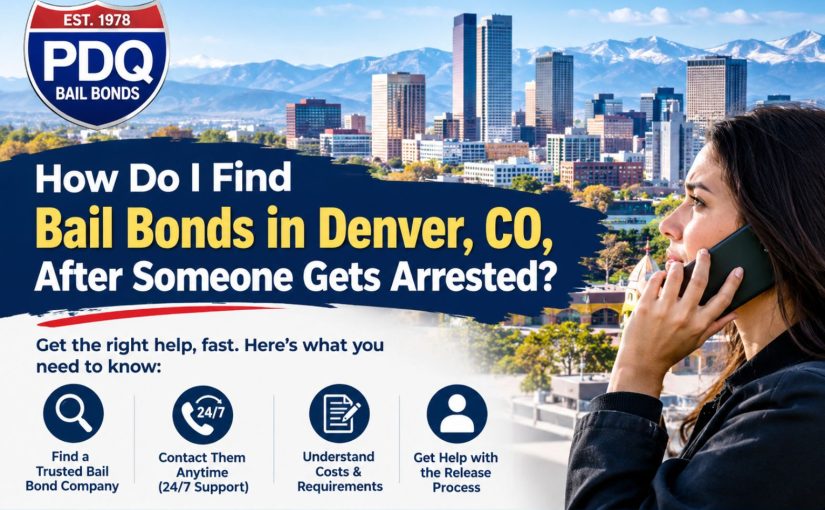
For people who have been arrested in Denver, Colorado, the first thing to do is to establish their place of detention, determine whether a bail bond has been made available, and establish the precise terms for release. After gathering these details, one should then contact a professional licensed bail bondsman firm offering their services in Denver, learn about the total cost involved, and agree on the terms.
Getting reliable bail bonds in Denver CO, will enable people to go through the process of release from detention in an easy manner without too many difficulties. However, the next step to be taken will depend on various factors including the charges that are facing the accused individual and the court’s decision among others.
1. Determining Where the Arrested Individual Is Being Held
Before reaching out to a bail bondsman in Denver, one should gather more details about where the person is being held. This is because sometimes an arrest does not necessarily mean that the arrested individual will be taken to a particular jail.
To begin with, you can:
- Reach out to the Denver Police Department where the arrest took place.
- Inquire from the Denver area detention or inmate information.
- Asking the arresting agency which facility is handling the booking.
- Gathering the person’s full legal name, date of birth, and approximate arrest date.
If you cannot locate the person immediately, ask the relevant agency whether booking is still in progress or whether the person has been transferred.
Why this matters: A bail bond company needs accurate information to identify the defendant, confirm the applicable bond requirements, and explain the available options.
2. Find Out Whether Bail Has Been Set
Not everyone who is arrested can be released immediately by paying a predetermined amount. The court or other authorized process determines the applicable release conditions, which may include a monetary bond, nonfinancial conditions, or detention without a currently available bond.
Ask the detention facility or appropriate court about:
- Whether a bond has been set.
- The total bond amount and any bond types accepted.
- Whether a first court appearance is still pending.
- Any additional release conditions.
- Whether a hold, warrant, or separate case could delay release.
If no bond has been set, a bail bondsman may not be able to arrange immediate release. The next step may involve waiting for a court appearance or seeking legal advice.
For information about Colorado’s judicial process, consult the Colorado Judicial Branch.
3. Understand Your Bail Bond Options
After you understand the requirements for release, look at your options. The best option depends on the amount of the bond, financial circumstances of the family, and conditions set by the court.
Cash bond
In a typical cash bond situation, you have to pay the necessary amount either through the court or via the detention process. The refunding possibilities will vary depending on the bond terms and laws in effect.
Surety bond
This is where a bail bond company arranges a bond via a surety according to certain requirements. This person will likely pay a premium and, in addition, provide collateral or a co-signer.
The premium will typically be the price of arranging the bond and is not normally refunded just because you appear in the court.
Release without a monetary bond
Depending on the situation, an individual may get released from detention without providing a monetary bond. Still, some conditions may be attached to such release, such as going to court, supervision, and restrictions.
Just in case, do not think you have to use a bondsman always. First check which release procedures are available legally.
4. How to Choose a Reliable Denver Bail Bonds Company
When searching for Denver bail bonds, avoid choosing a provider based only on an advertisement or a promise of immediate release. A trustworthy company should explain the process, disclose its fees, and answer your questions without pressuring you to sign.
Use this checklist when comparing providers:
- Confirm licensing: Verify that the bail bond agent is properly licensed in Colorado through the Colorado Division of Insurance.
- Ask about the total cost: Find out the premium, possible additional charges, collateral requirements, and payment arrangements.
- Understand the contract: Read every provision before signing, including the responsibilities of co-signers and indemnitors.
- Check availability: Ask whether the company handles bonds for the relevant facility and whether an agent is available to begin the process.
- Request clear explanations: The agent should explain what happens if the defendant misses court or violates the bond conditions.
- Protect your information: Share personal and financial details only through appropriate, secure channels.
Be cautious of anyone who guarantees immediate release, refuses to explain fees, or pressures you to provide collateral before you understand the agreement.
5. What Information Will a Bail Bondsman Need?
Having the relevant details ready can reduce delays when contacting bail bond companies in Denver.
Prepare the following information where available:
- The defendant’s full legal name and date of birth.
- The detention facility and booking number.
- The bond amount and accepted bond type.
- The charges or case number, if known.
- Your contact information.
- Details of any proposed co-signer or collateral, if required.
The company may need to verify information with the detention facility or court before confirming whether it can arrange the bond.
If you do not know the bond amount yet, explain what information you have. A professional agent should tell you what needs to be confirmed rather than asking you to guess.
6. Ask These Questions Before Paying for a Bond
A bail bond agreement can create financial obligations for both the person arranging the bond and any co-signer. Take time to understand those obligations before making a payment.
Ask the company:
- What is the full premium, and are there any additional fees?
- Is the premium refundable under any circumstances?
- Is collateral required, and how is it returned?
- What financial responsibility will a co-signer accept?
- What happens if the defendant misses a court appearance?
- How are payment arrangements documented?
- What steps are required after the bond is posted?
Get the answers in writing whenever possible. Do not rely on verbal assurances that conflict with the contract.
Remember that paying a bond does not end the criminal case. The defendant must continue to follow all court orders and attend required hearings.
7. What Happens After a Bail Bond Is Posted?
However, once the bond is approved, the detention center will go ahead to process the release. This can take time depending on several factors, including verification needs, staff availability, other holds, and the nature of the case.
Make sure that the individual who was detained gets to know:
- All the dates, times, and places for all court appearances.
- Any restrictions set upon their release.
- Whether they need to report to a supervision department.
- What will happen to them if they fail to appear in court?
It is important to have copies of the bond and any court documents. If there are any questions about this, reach out to the bond agent or a lawyer.
8. Finding Bail Bonds in Denver, CO, With PDQ Bail Bonds
For those seeking further advice on what comes next in the aftermath of an arrest, PDQ Bail Bonds is one such business you might contact to learn about the procedures involved in the bail bonds process and the relevant information required.
Prior to doing anything else, make sure the company offers service for the specific bond, the Colorado license for the agent and the fee structure involved, as well as all the responsibilities associated with the contract. You will also need to find out if the defendant has received his or her bond amount and if there are other conditions which may impede a prompt release from custody.
When speed is of essence, it helps to be prepared with all the booking and bond information, as well as a list of inquiries.
Frequently Asked Questions
How can I get bail bonds in Denver following an arrest?
Start by confirming if the person is detained and if a bail amount has been set, then choose from Colorado licensed bail bond agents, inquire about costs and read the agreement.
What is the cost of bail bonds in Denver?
The cost varies depending on the bond amount, premium cost and agreement terms. You might incur more costs or collateral requirements, so ensure you request a statement before making payment.
Is there a way to be released without paying a bail bond company?
Yes, as long as the courts decide to let out the person without a money bond or there are other means of release, including cash bond in lieu of surety bond.
How long will it take for one to get released after posting a bond?
It varies with the processing period, which might be subject to the detention facility, verification process, holds or any other case-related factor.
What happens if the defendant misses court?
Missing a required court appearance can result in a warrant, bond forfeiture, and potential financial consequences for the defendant or co-signer. Contact a criminal defense attorney and the appropriate parties promptly if a court date is missed.
Do I need a lawyer to arrange a bail bond?
A lawyer is not necessarily required to arrange a bond. However, a criminal defense attorney can explain the legal situation, advise on release conditions, and help address issues involving bond eligibility or detention.
Is PDQ Bail Bonds the right option for every Denver arrest?
Not necessarily. The best option depends on the case, the available release conditions, the cost, and the provider’s ability to handle the bond. Compare alternatives and verify licensing before signing an agreement.
The most important first step is to confirm the person’s location and actual bond status. With accurate information and a clear understanding of the costs, you can make a more informed decision about the next steps toward release.